Keeping your vehicle in top condition requires more than just regular oil changes. Understanding car diagnostics is crucial for identifying potential issues early and ensuring optimal performance. Modern vehicles are equipped with sophisticated computer systems that monitor various functions, providing valuable insights into your car's health. Let's explore how car diagnostics work and how they can benefit you.
What is Car Diagnostics?
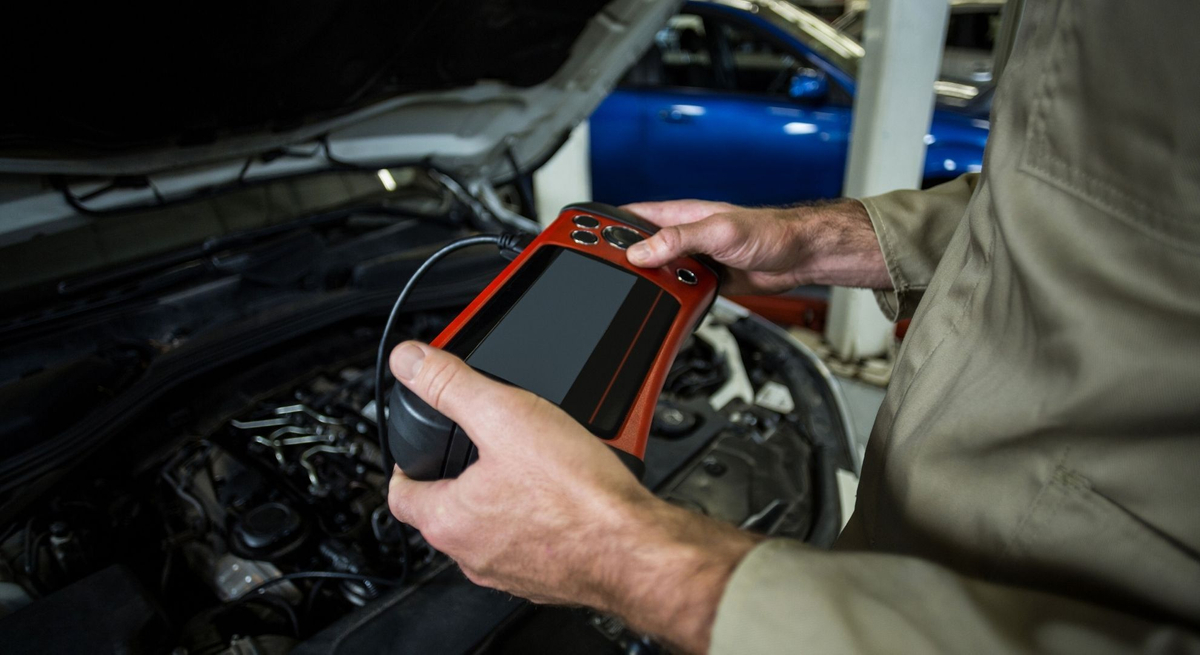
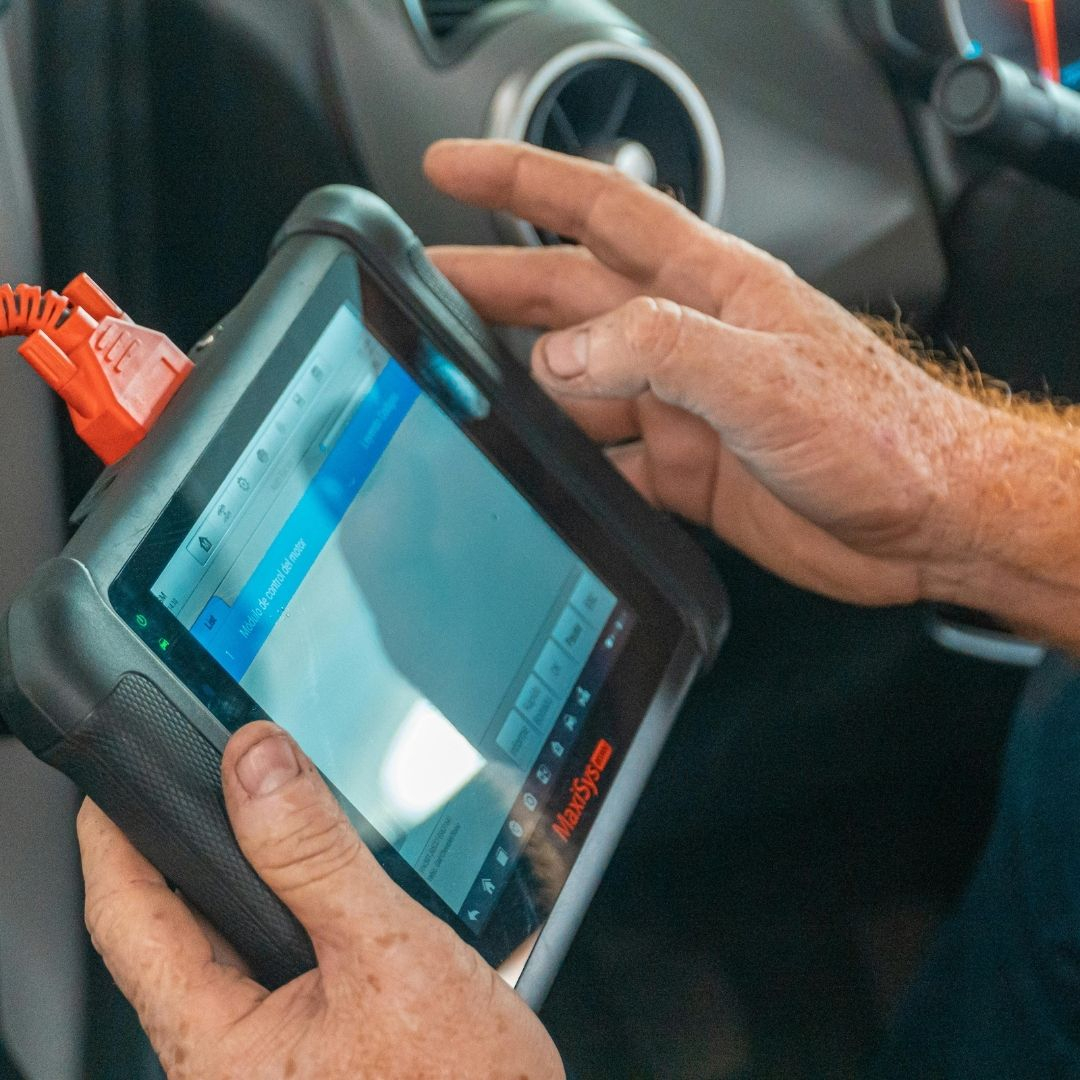
Car diagnostics involves using electronic diagnostic tools to communicate with your vehicle's onboard computer. This computer, also known as the Engine Control Unit (ECU), records data from various sensors throughout the vehicle. Diagnostic tools can retrieve this data, allowing technicians to identify problems with the engine, transmission, brakes, and other systems. The diagnostic process often involves retrieving Diagnostic Trouble Codes (DTCs), which are standardized codes that pinpoint specific issues.
The Benefits of Regular Car Diagnostics
Early Issue Detection: Diagnostic tests can uncover minor issues before they escalate into major repairs, saving you time and money.
Improved Performance: By identifying and resolving problems early, you can maintain your vehicle's performance and efficiency.
Increased Lifespan: Regular diagnostics can help extend the life of your vehicle by addressing issues that could cause long-term damage.
Better Fuel Economy: A well-maintained engine runs more efficiently, which can improve your gas mileage.
Enhanced Safety: Diagnostic tests can identify safety-related issues, such as problems with the brakes or airbags, helping you stay safe on the road.

Common Diagnostic Tests and What They Reveal
OBD-II Scan: This is the most common diagnostic test, which reads the DTCs stored in the ECU. These codes can indicate a wide range of problems, from engine misfires to sensor failures.
Engine Analysis: This test assesses the overall health of the engine, checking for issues such as compression problems, leaks, and worn components.
Transmission Diagnostics: Your transmission is a complex system, and diagnostic tests can identify issues such as slipping gears, rough shifting, and fluid leaks. Regular transmission flushes can help prevent these problems.
Emissions Testing: This test ensures that your vehicle is meeting emissions standards and identifies issues with the catalytic converter, oxygen sensors, and other emissions-related components.
The Role of Dyno Testing
Dyno testing (dynamometer testing) is a more advanced diagnostic method used to measure your vehicle's power and torque output. It can help identify performance issues that may not be apparent during regular driving. Dyno testing is particularly useful for high-performance vehicles and those that have undergone modifications.
Diesel Upgrades and Diagnostics
For diesel vehicles, diagnostics are essential for maintaining optimal performance and efficiency. Diesel engines often require specialized diagnostic tools and expertise. Diesel upgrades, such as performance chips and exhaust systems, can improve power and fuel economy, but it's crucial to ensure that these upgrades are properly installed and calibrated. Regular diagnostic tests can help you monitor the performance of your diesel upgrades and identify any potential issues.
Understanding car diagnostics is essential for maintaining the health and performance of your vehicle. Regular diagnostic tests can help you identify and resolve problems early, saving you time and money. Whether you drive a gas-powered car or a diesel truck, staying on top of diagnostics is crucial for ensuring a safe and efficient driving experience. At Next Level Performance & Dyno, we offer comprehensive diagnostic services to keep your vehicle running at its best. Contact us today to schedule a diagnostic appointment or to learn more about our auto repair services and dyno testing options.