Preparing your car for dyno testing is crucial for obtaining accurate results and ensuring the safety of your vehicle. Dyno testing, short for dynamometer testing, is a process where your car's power and torque are measured under controlled conditions. Whether you're a seasoned racer or simply curious about your car's performance, proper preparation is key. Here are some essential tips to help you get your car ready for dyno testing.
Ensure Your Vehicle is in Good Running Condition
Before scheduling a dyno test, make sure your car is in good mechanical condition. Address any known issues such as:
Fluid Levels: Check and top off all fluid levels, including engine oil, coolant, brake fluid, and power steering fluid. Proper lubrication and cooling are essential for optimal performance during the test.
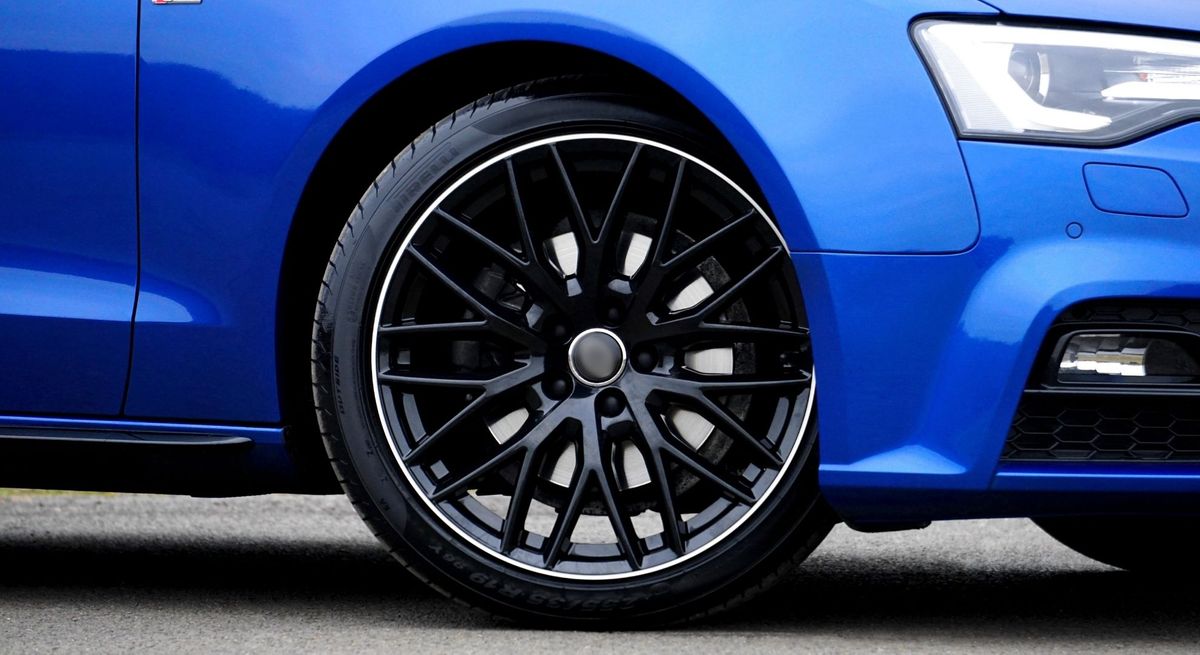
Tires: Inspect your tires for wear and tear. Ensure they are properly inflated to the recommended pressure. Uneven tire pressure can affect the accuracy of the dyno results.
Brakes: Verify that your brakes are in good working order. The dyno test will put your brakes to the test, so they need to be reliable.
Engine: Check for any unusual noises, leaks, or performance issues. Address any concerns before the dyno test to prevent potential problems.
Inspect and Replace Worn Parts
Replace any worn or damaged parts that could compromise the dyno test. Some key components to inspect include:
Spark Plugs: Replace old or worn spark plugs to ensure optimal combustion.
Air Filter: Install a clean air filter to maximize airflow to the engine.
Fuel Filter: Replace the fuel filter to ensure a steady supply of clean fuel.
Belts and Hoses: Check belts and hoses for cracks, leaks, or signs of wear. Replace them as needed to prevent unexpected failures during the test.
Optimize Fuel and Tuning
To achieve the most accurate and reliable dyno results, consider the following fuel and tuning adjustments:
Fresh Fuel: Use fresh, high-quality fuel with the correct octane rating for your engine. Old or low-quality fuel can negatively impact performance.
ECU Tuning: If your car has an aftermarket ECU or tuning software, ensure it is properly configured for the dyno test. Consult with a qualified tuner to optimize your car's settings for maximum power and efficiency.
Secure Loose Items
Before the dyno test, remove any loose items from the car's interior and trunk. These items could potentially move around during the test and interfere with the equipment or pose a safety hazard. Double-check that the battery is securely mounted and that all cables and wires are properly secured.
Communicate with the Dyno Operator
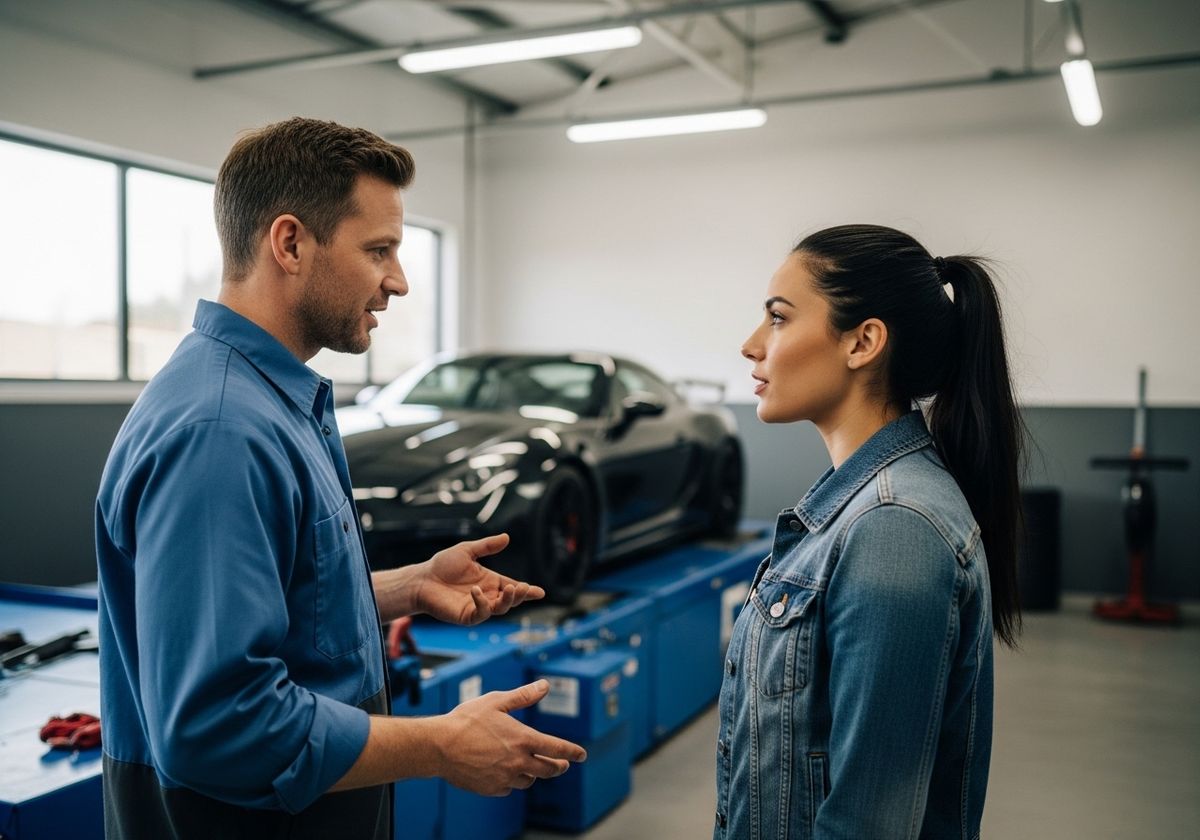
Establish clear communication with the dyno operator before the test. Discuss your goals for the dyno session and any specific concerns or considerations. The dyno operator can provide valuable insights and guidance to help you achieve the best possible results.
Preparing your car for dyno testing is an investment in its performance and longevity. By following these tips, you can ensure accurate results, prevent potential problems, and optimize your car's performance. Whether you're looking to fine-tune your engine or simply gain insights into your vehicle's capabilities, Next Level Performance & Dyno is here to help. As a complete auto care center located in Jefferson City, TN, we perform high-quality, guaranteed service. Contact us today to schedule your next auto repair or dyno test!